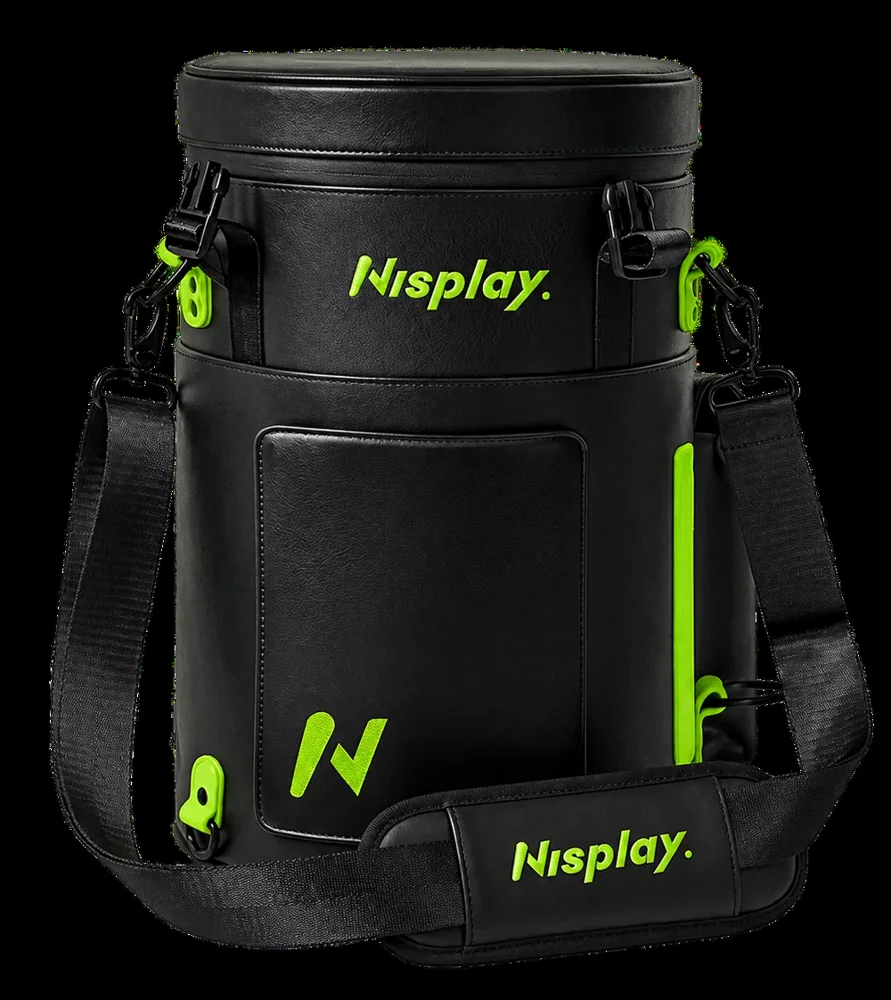
Nisplay
Nisplay L1
A carry-oriented machine with app and pocket-remote controls.
- Ball capacity: 60 balls · up to
- Weight: 13 lb · machine only
Compare tennis ball machines for sale by brand, model and the way you want to practice. Explore manufacturer-stated specifications, control options and practical tradeoffs before building your shortlist. Consider how you will carry the machine, power it at your court and adjust drills between sessions. Our independent catalog brings together product guides and buying advice without treating every configuration as interchangeable. Check the exact model, included accessories and seller terms before ordering. Purchase options appear on individual product pages where available; we do not sell machines directly or guarantee current prices and stock.
A carry-oriented machine with app and pocket-remote controls.
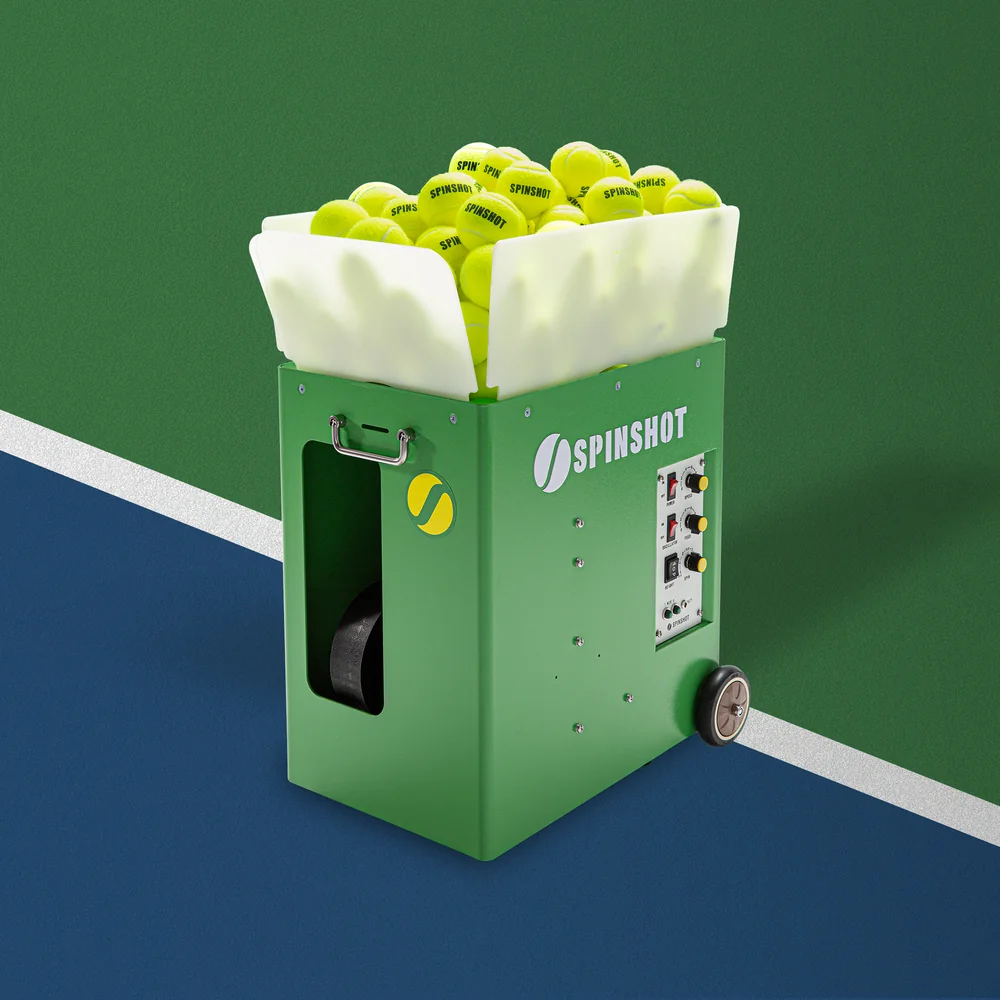
Physical controls and fixed-width horizontal oscillation.
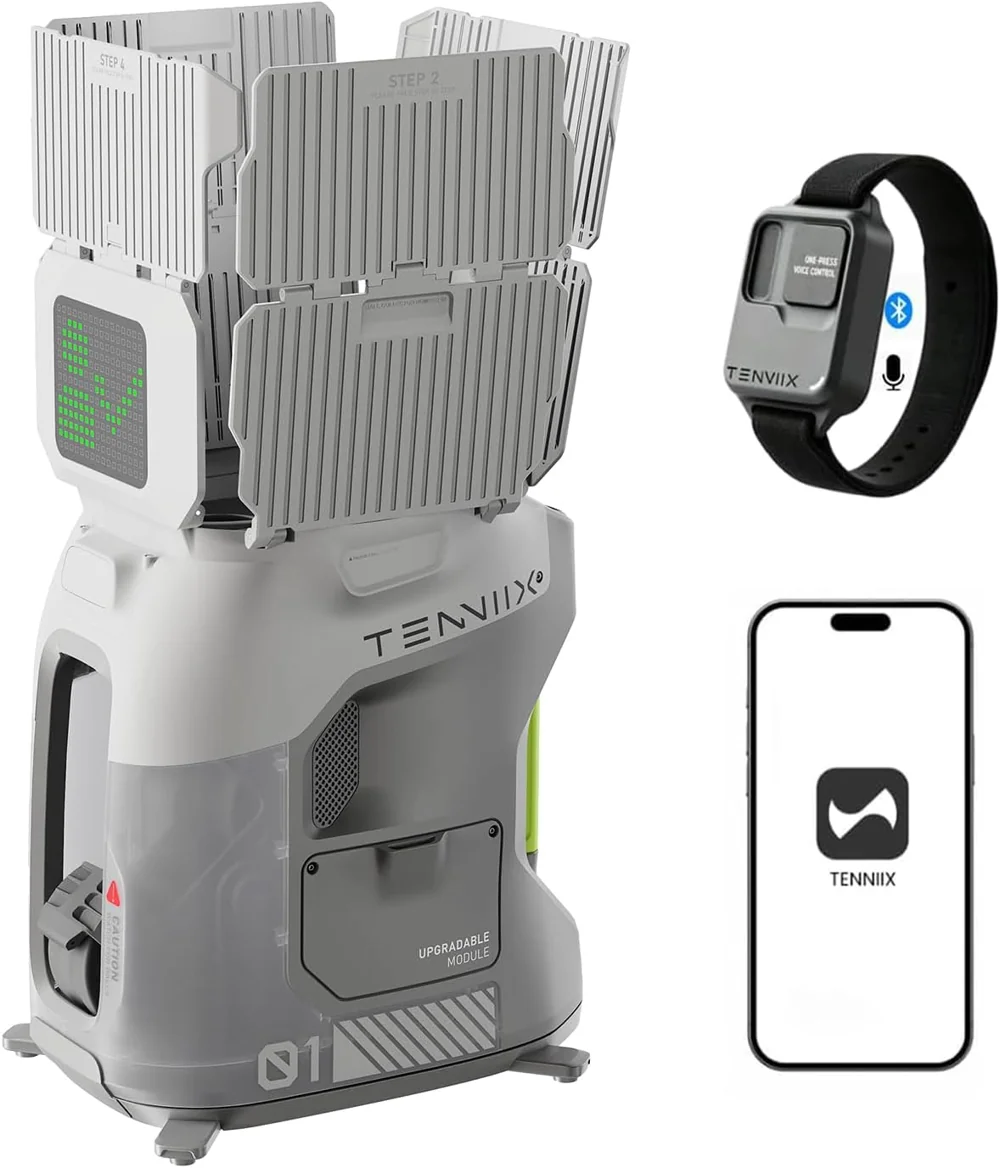
An app-and-voice-control entry into the Tenniix system.
An app-and-voice-control entry into the Tenniix system.
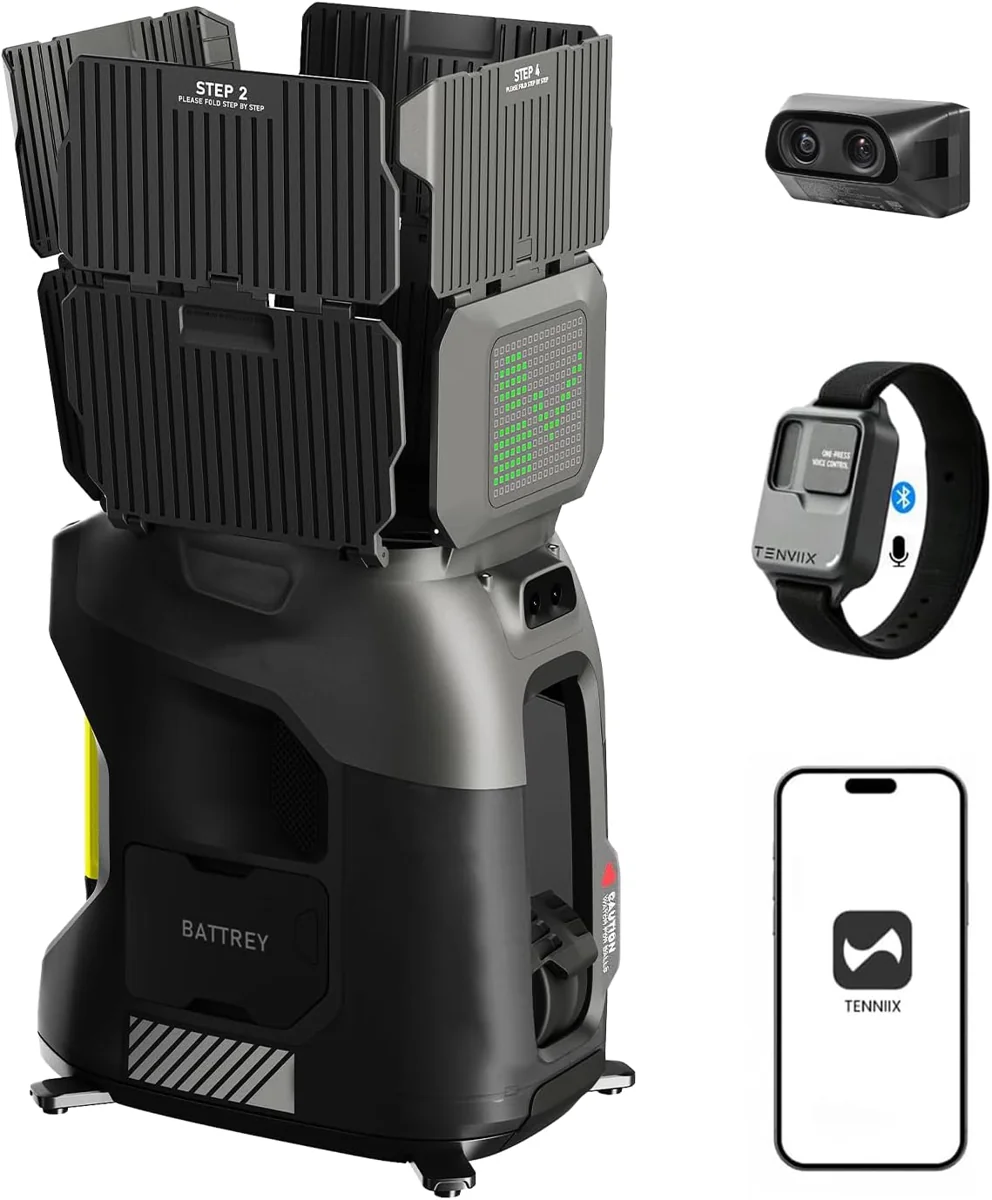
A vision-equipped Tenniix family that needs exact package matching.
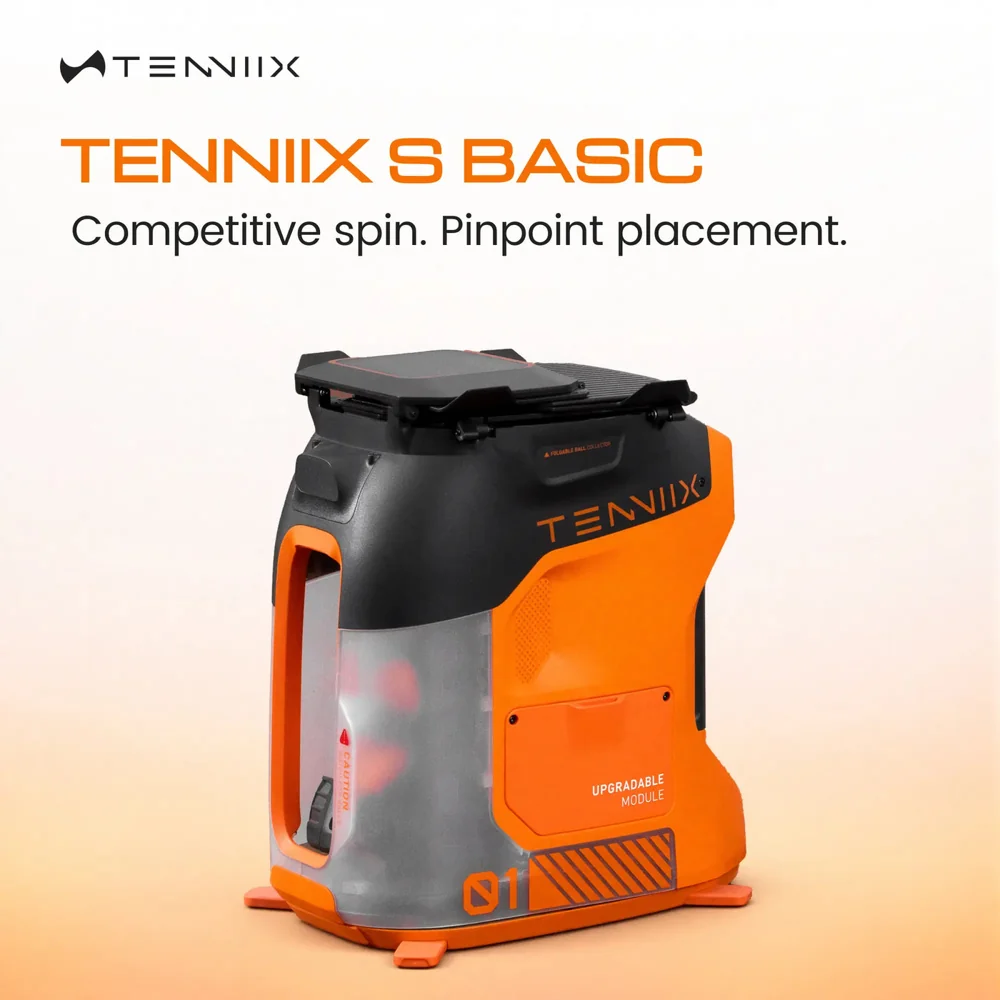
The newer S-family option for repeatable, player-directed sessions.
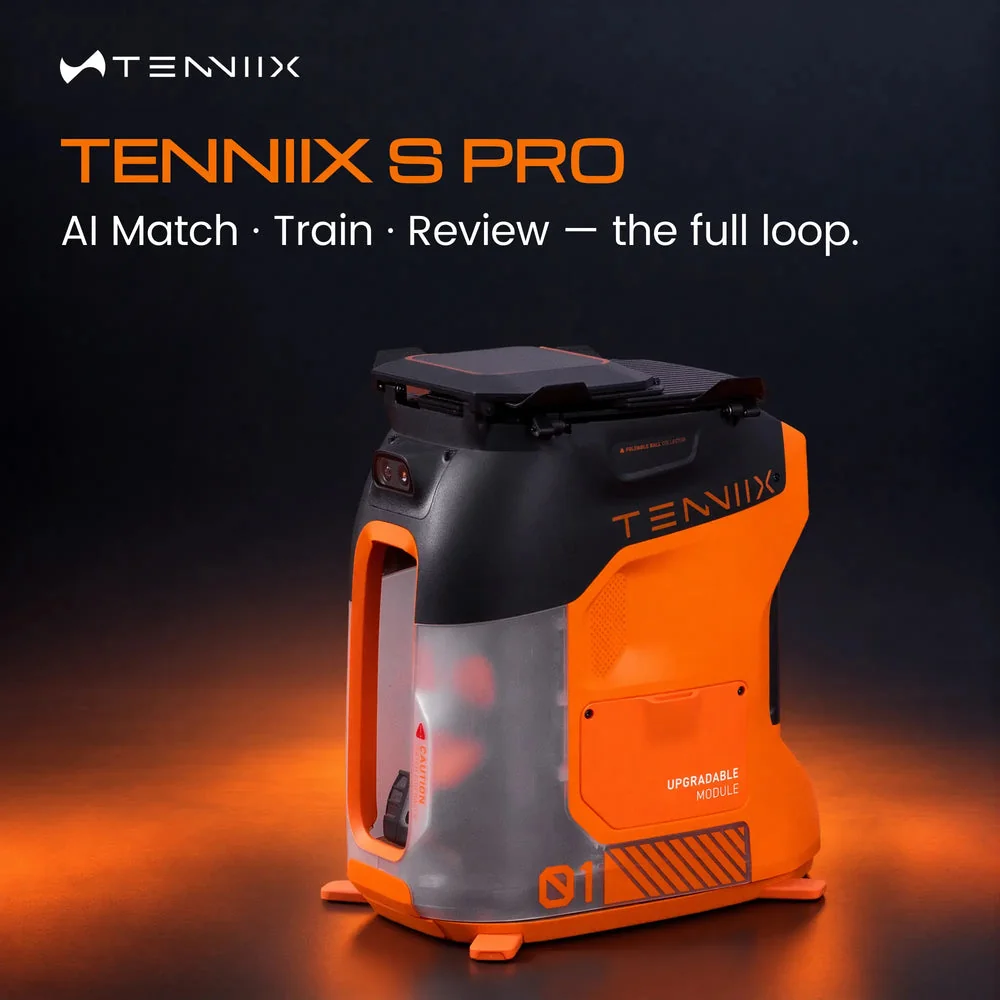
An S-family vision option with current and announced functions to separate.
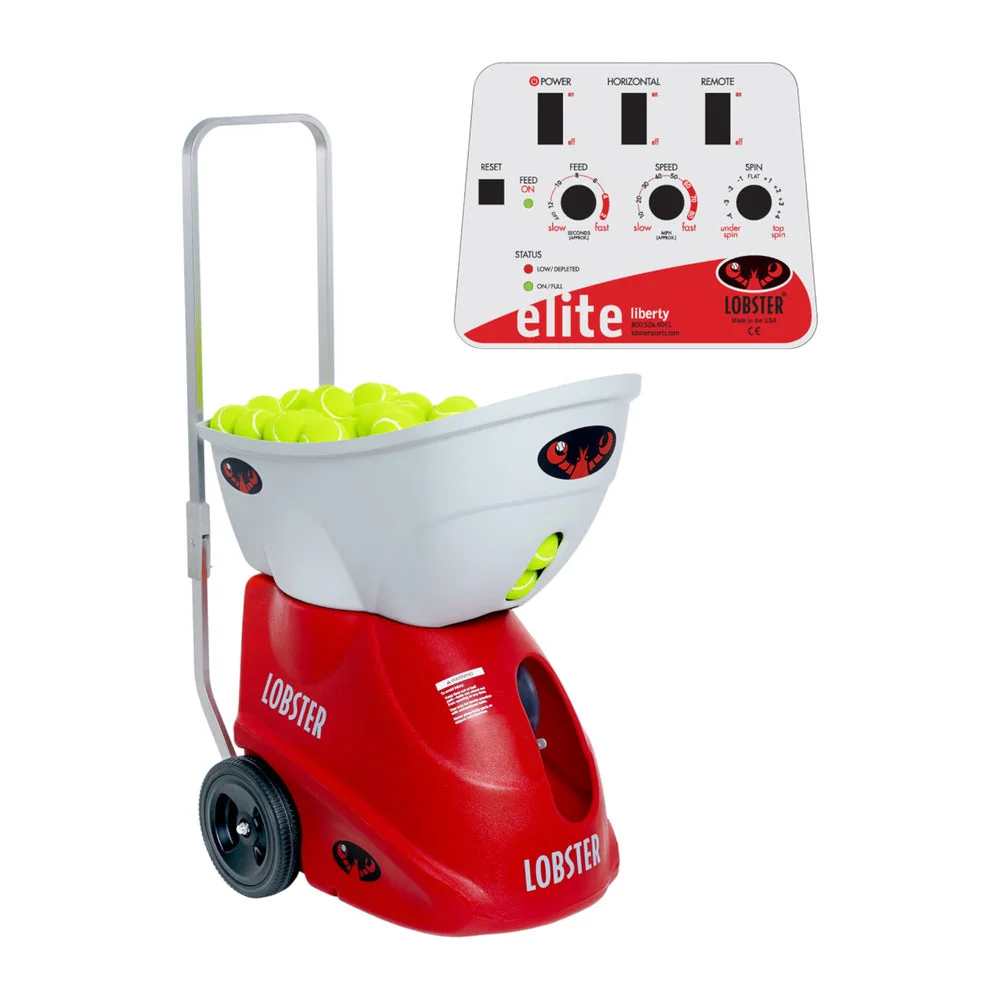
A simpler Elite entry with adjustable spin and horizontal movement.
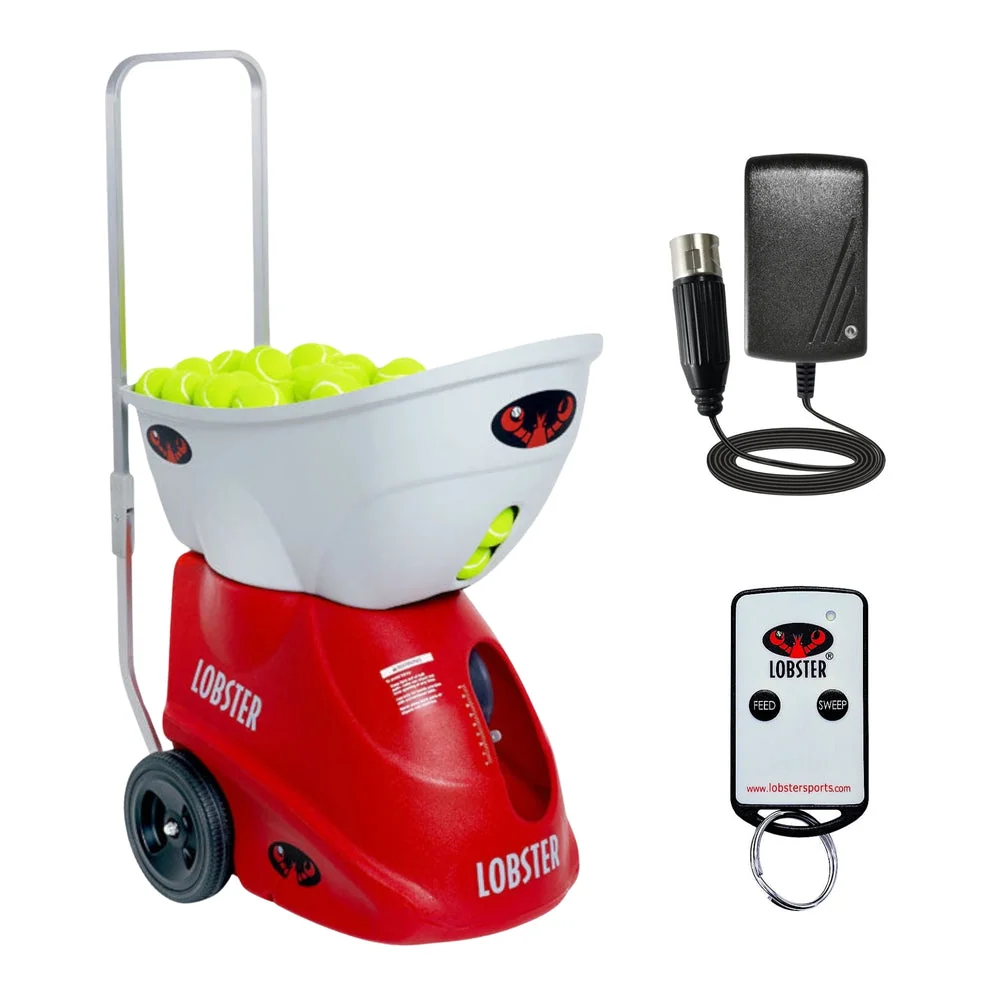
An Elite model centered on adjustable delivery and a horizontal sweep.
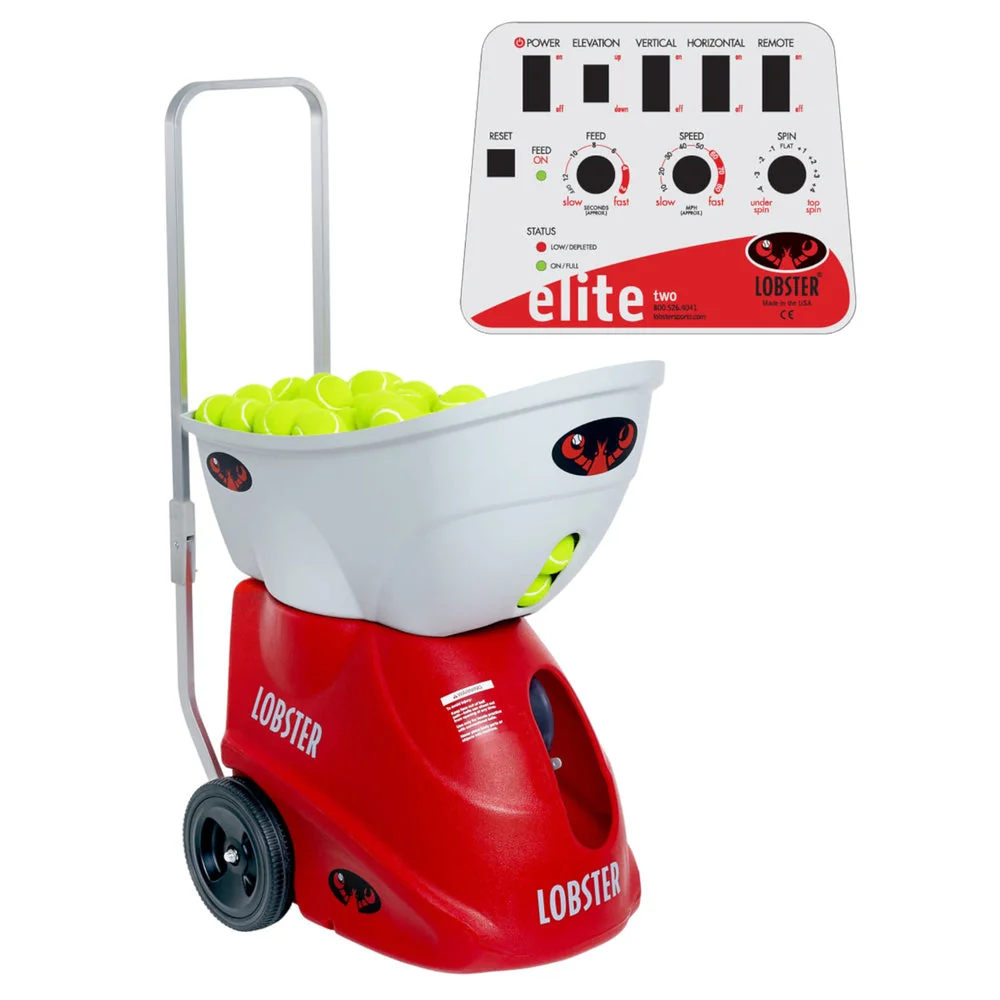
Horizontal and vertical variation for movement-oriented practice.
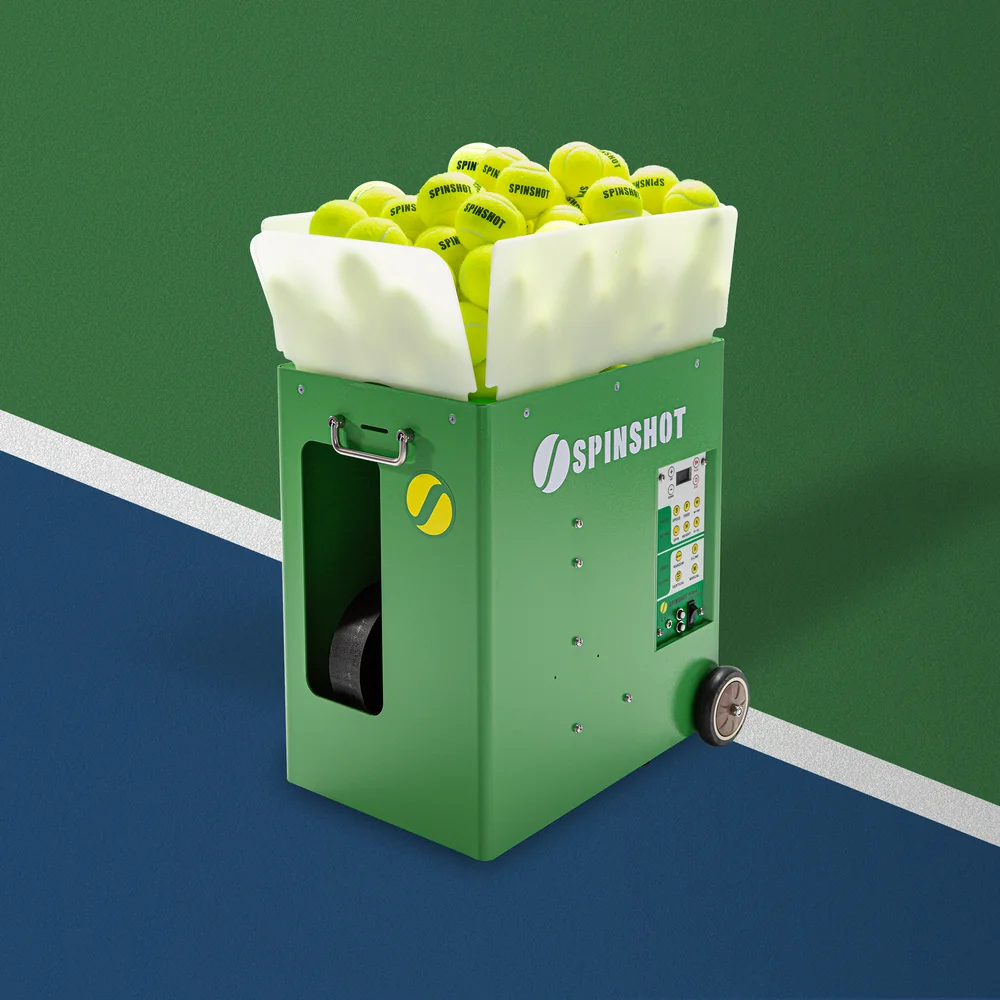
Player-style custom drills with more direct oscillation controls.
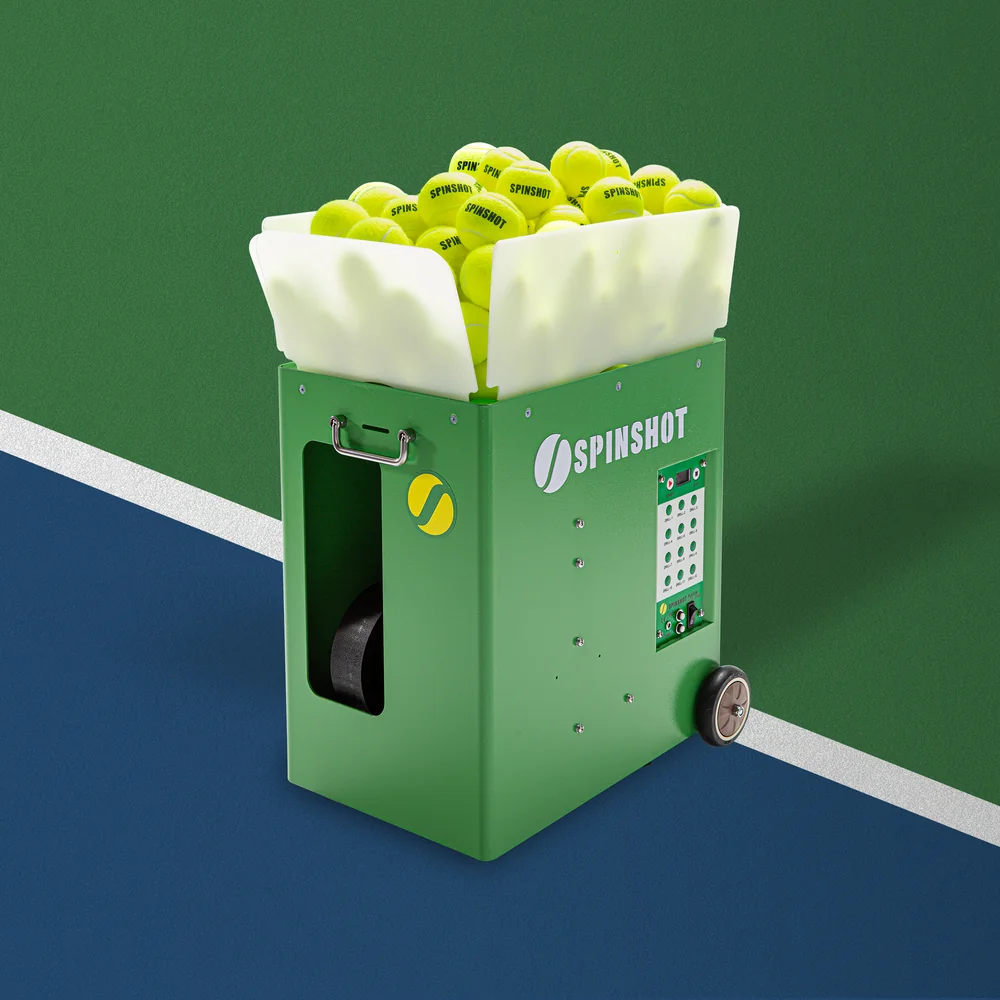
Custom-drill programming in the current HS configuration.
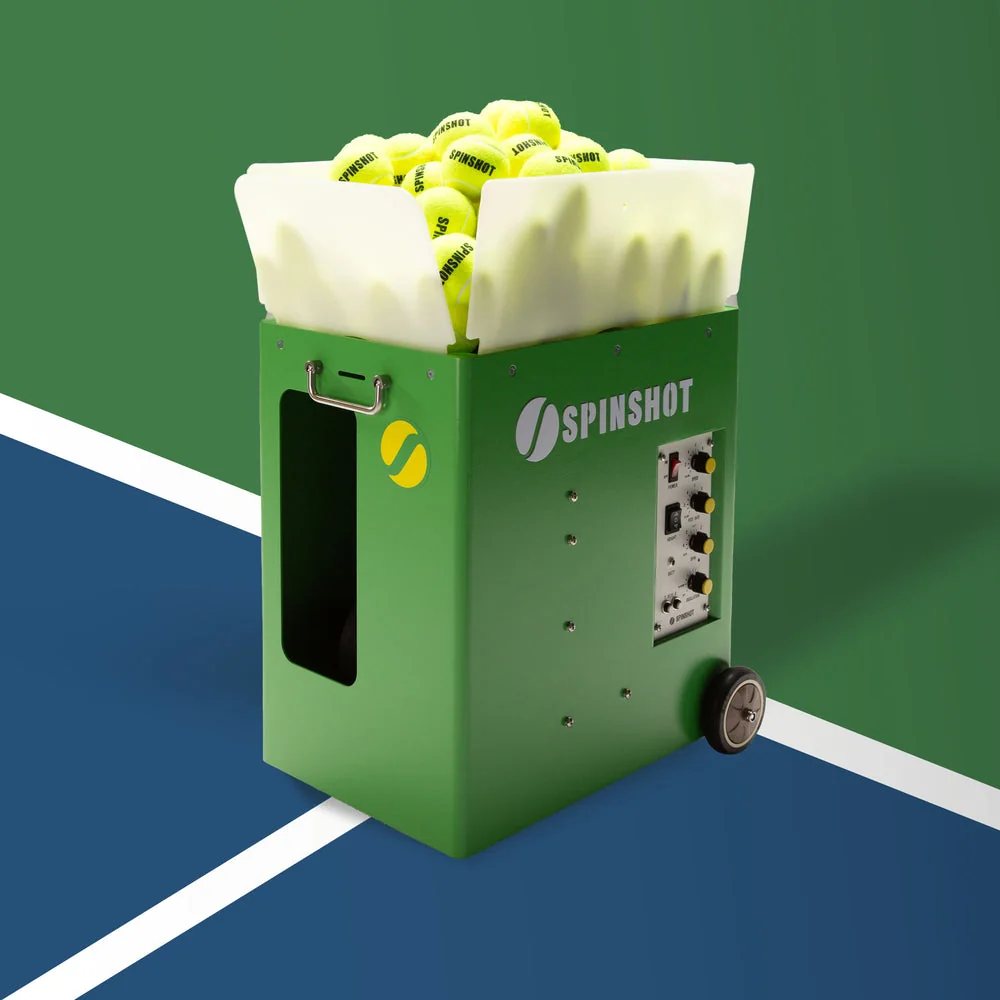
A Pro-style machine with more adjustable horizontal placement.
Physical controls and fixed-width horizontal oscillation.
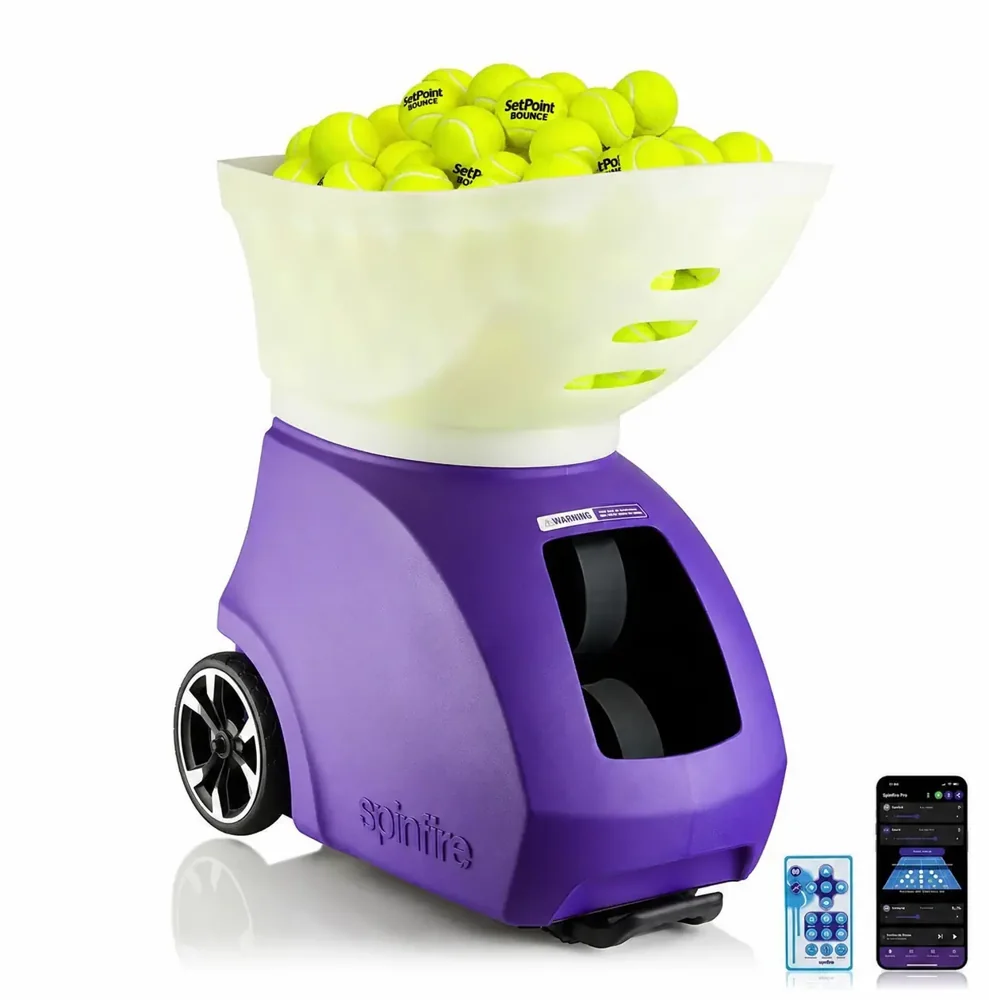
Internal oscillation with a wider set of practice controls.
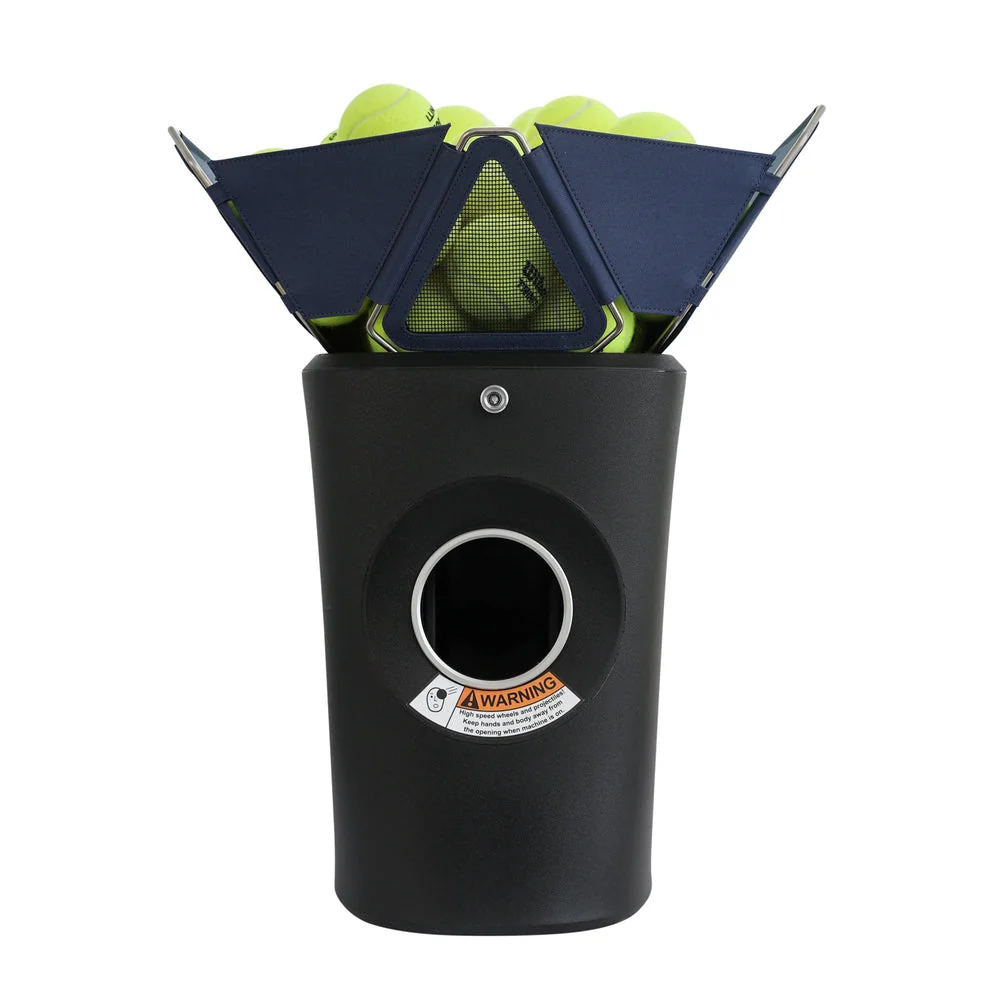
A compact machine with phone-based control and a removable battery.
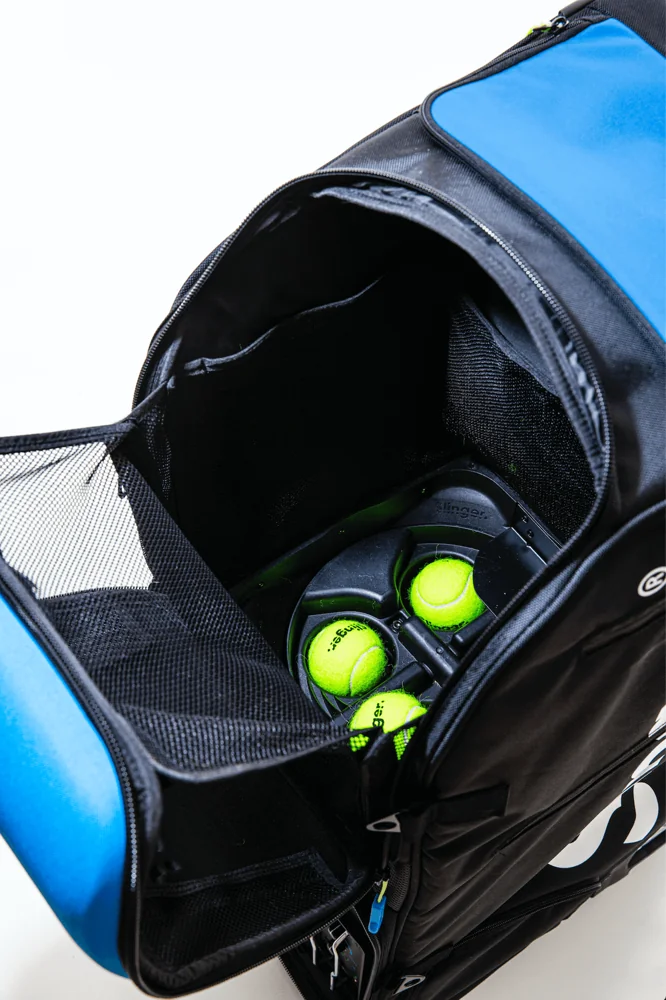
A bag-format launcher with an optional oscillator package.
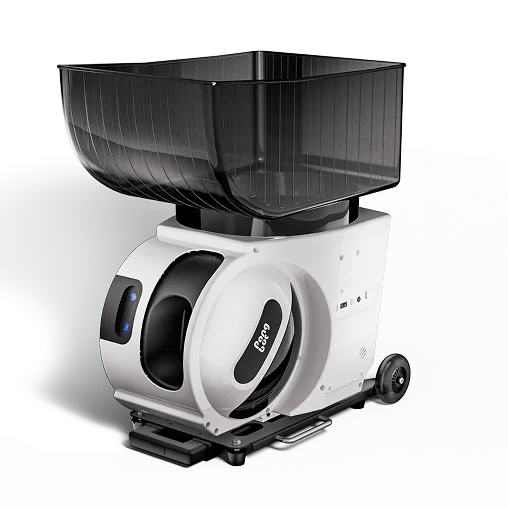
A Pace-family robot with programmed practice and adaptive-training claims to inspect.
A carry-oriented machine with app and pocket-remote controls.
The best tennis ball machine is the one that fits your training priorities and practical constraints. Compare carrying requirements, controls, power options and the drills you actually plan to use. Choose between exact models and configurations rather than assuming that one brand or headline feature suits every player. Our buying guides explain different priorities without claiming a universal winner.
The cost depends on the exact model, power option and included accessories. Compare the complete purchase package, including any separately required battery, charger, remote or sensing hardware, rather than the machine name alone. This catalog does not publish unverified price ranges. Follow an available purchase link on the relevant product page and confirm the current price, shipping charges and return terms with the seller.
Look first at transport, power and the controls needed for your practice routine. Then compare documented capacity, feed settings and available drill programming for the exact model. Keep configuration differences in view: a machine-only weight may exclude the battery, and a quoted runtime may depend on usage conditions. Confirm which accessories are included before comparing tennis ball machines for sale.
Different controls, power configurations and included training hardware can change what you are paying for. Compare packages carefully: app programming, a remote or sensing equipment may be included in one configuration and optional in another. A higher price does not establish that a machine is better for your routine. Focus on the features you will use and check the current complete package price with the seller.
A tennis ball machine may be worth considering if repeatable solo practice fits your routine and you have suitable court access, transport and storage. Weigh those practical needs against how often you expect to use it. It does not replace feedback from a coach or the decisions involved in playing an opponent. Compare realistic training needs before committing to a particular model.